Phase 1: Technical Presentation & Design Report Submission
The first phase required teams to submit a comprehensive design report outlining their UAV’s architecture,
capabilities, and mission strategies. The report was evaluated based on feasibility, innovation, and compliance
with the competition requirements. Additionally, teams delivered a technical presentation to industry experts,
showcasing their design approach. Based on these evaluations, the top 20 teams were shortlisted for the second
phase.
Phase 2: Mission-Based Challenges
The second phase featured four mission rounds, testing both manual and autonomous UAV capabilities.
Mission 1
involved manually hovering the drone at designated hotspots while autonomously detecting, classifying, and
counting objects in the area.
Mission 2 extended this task to a fully autonomous mode, requiring the UAV to
perform object detection without manual intervention.
Mission 3 tested the drone’s ability to navigate an
obstacle course and execute an accurate payload drop at a designated location.
Mission 4 combined autonomous
hotspot and target detection with precise payload delivery, assessing both accuracy and efficiency.
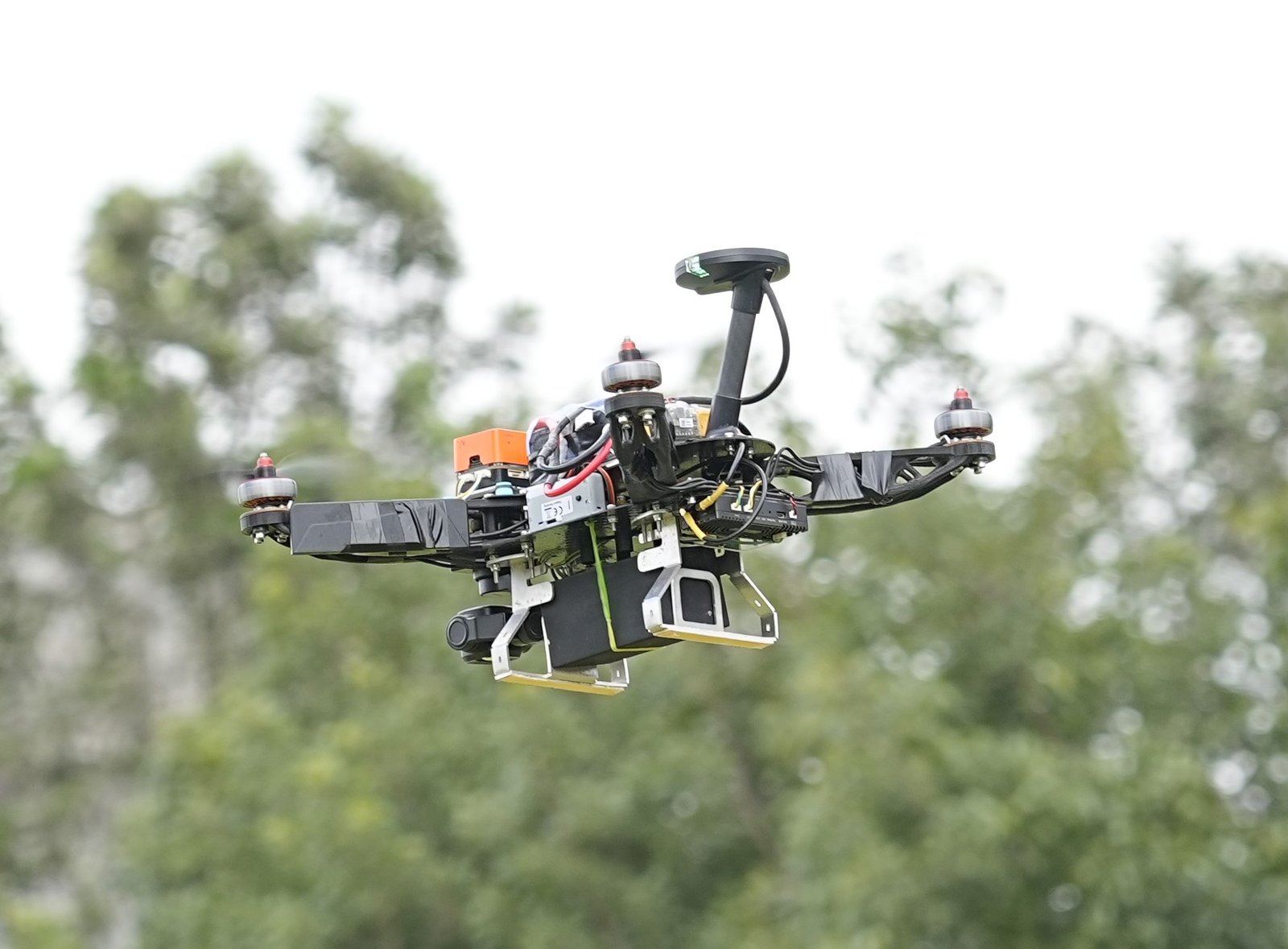
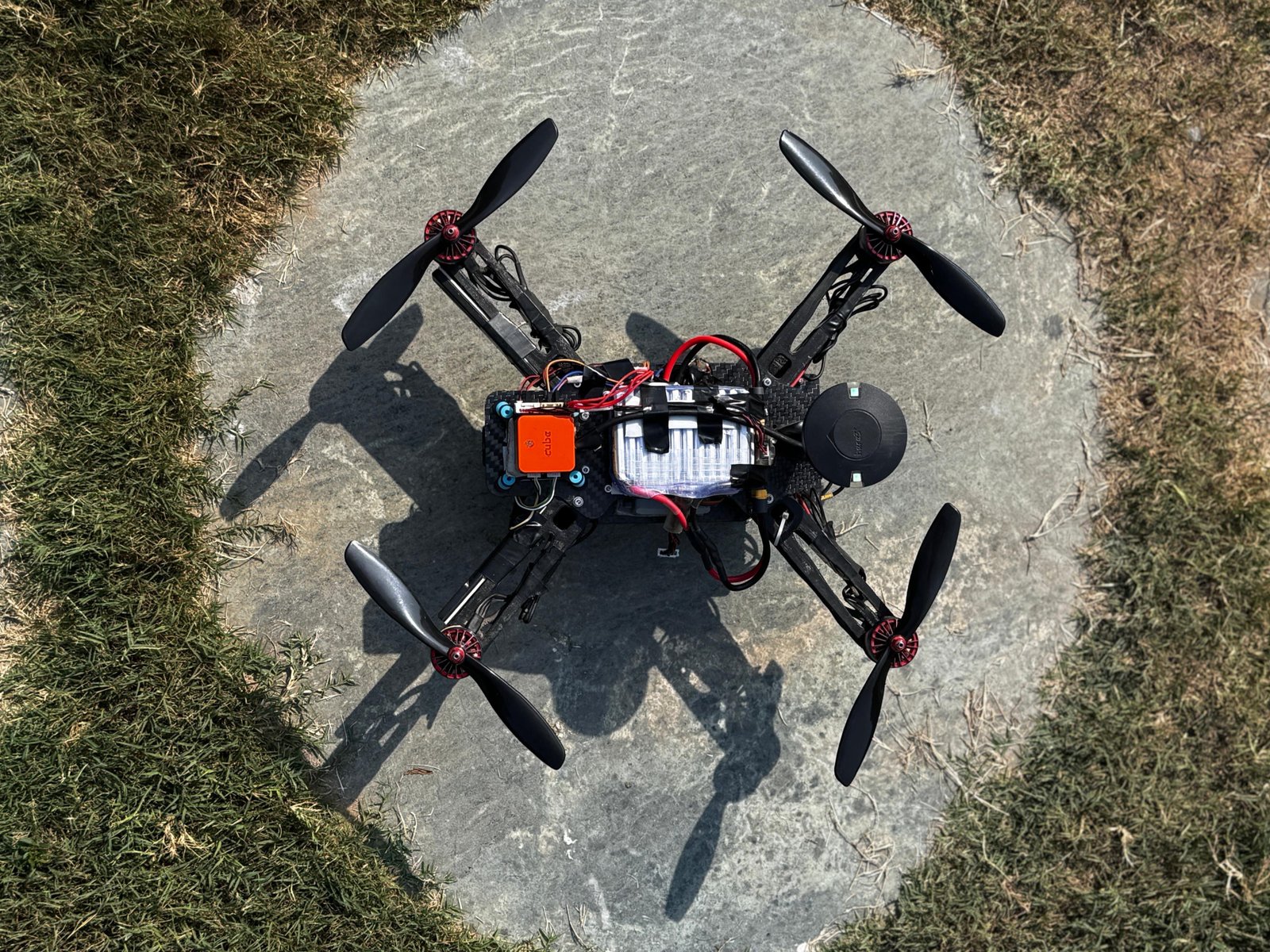
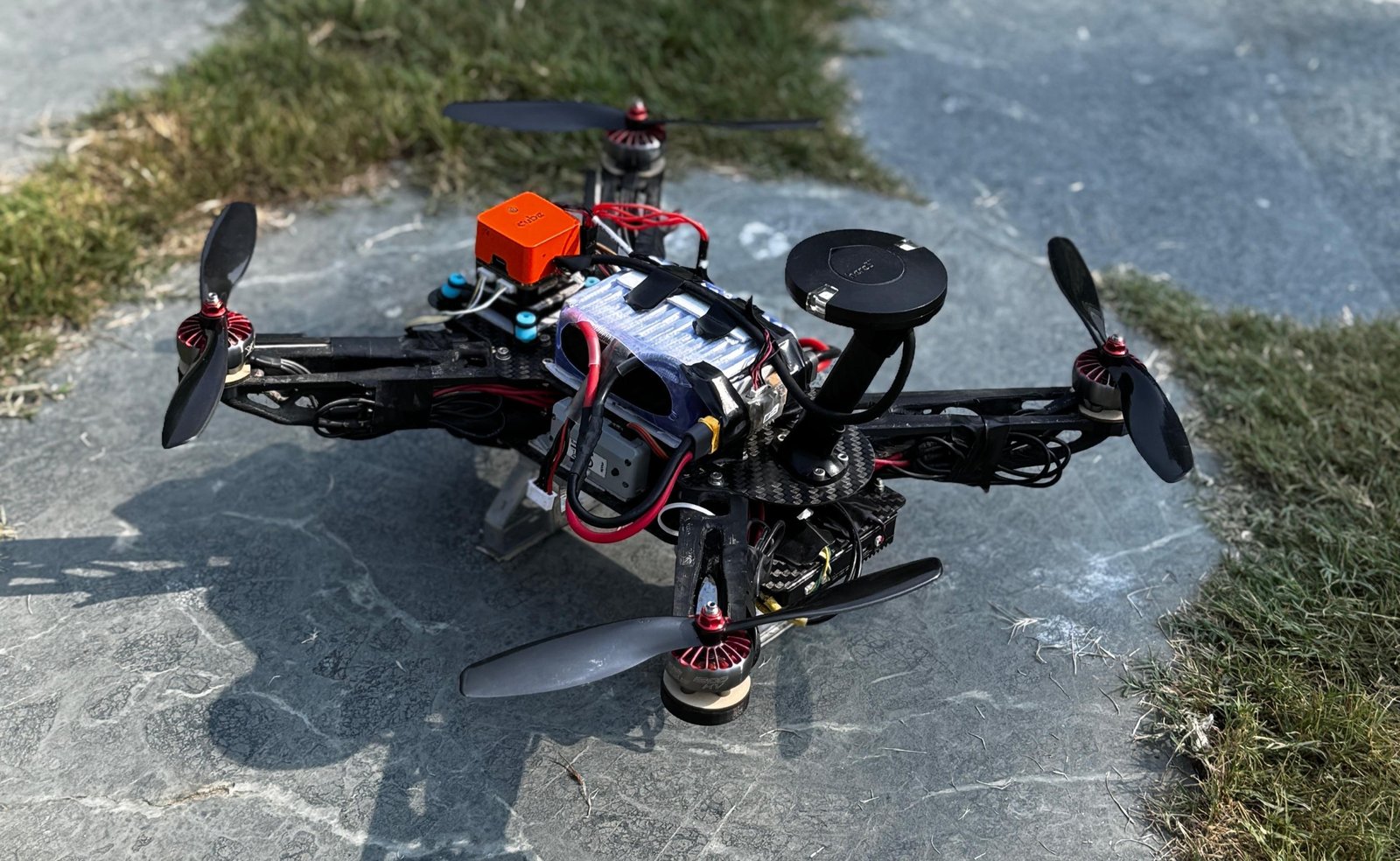
To meet the competition’s stringent requirements, we developed the ARW-500F, a custom UAV designed for high
performance and efficiency. The UAV, including its payload, had to weigh less than 2 kg while maintaining a
minimum mission time of 10 minutes. To optimize endurance, we selected a custom solid-state 4-cell battery
(6750mAh), which provided a 15-minute flight time. The propulsion system consisted of iFlight Xing X2806.5 motors
(1300 KV), paired with 8×4.5-inch propellers, ensuring optimal thrust and stability. A T-Motor F55 Pro 4-in-1 ESC
was integrated for efficient power management.
For communication, we implemented Herelink, a versatile 3-in-1 system that combines telemetry, radio control, and
Wi-Fi, streamlining our workflow and minimizing hardware complexity. Additionally, we utilized the Siyi A8 Mini,
an IP camera that eliminated the need for an onboard computer, significantly simplifying the competition tasks
while maintaining high performance.
AEROThon’24 was a rigorous test of our UAV’s design, performance, and autonomy. The event began with a technical
inspection, where our UAV successfully cleared all safety and compliance checks. This was followed by a technical
presentation, where we demonstrated our UAV’s design and mission capabilities to industry experts.
During the mission rounds, our UAV performed exceptionally well in obstacle avoidance, payload dropping, and
autonomous target detection, often completing tasks faster and more accurately than other teams. Despite a minor
challenge in Mission 2 due to a camera interface issue, we successfully completed all missions within the given
time constraints.
The competition also included Tiger’s Cage, where teams pitched their UAV’s real-world applications to a jury,
evaluating entrepreneurial potential and innovation. Our well-structured presentation and UAV design impressed the
judges, setting us apart from the competition.
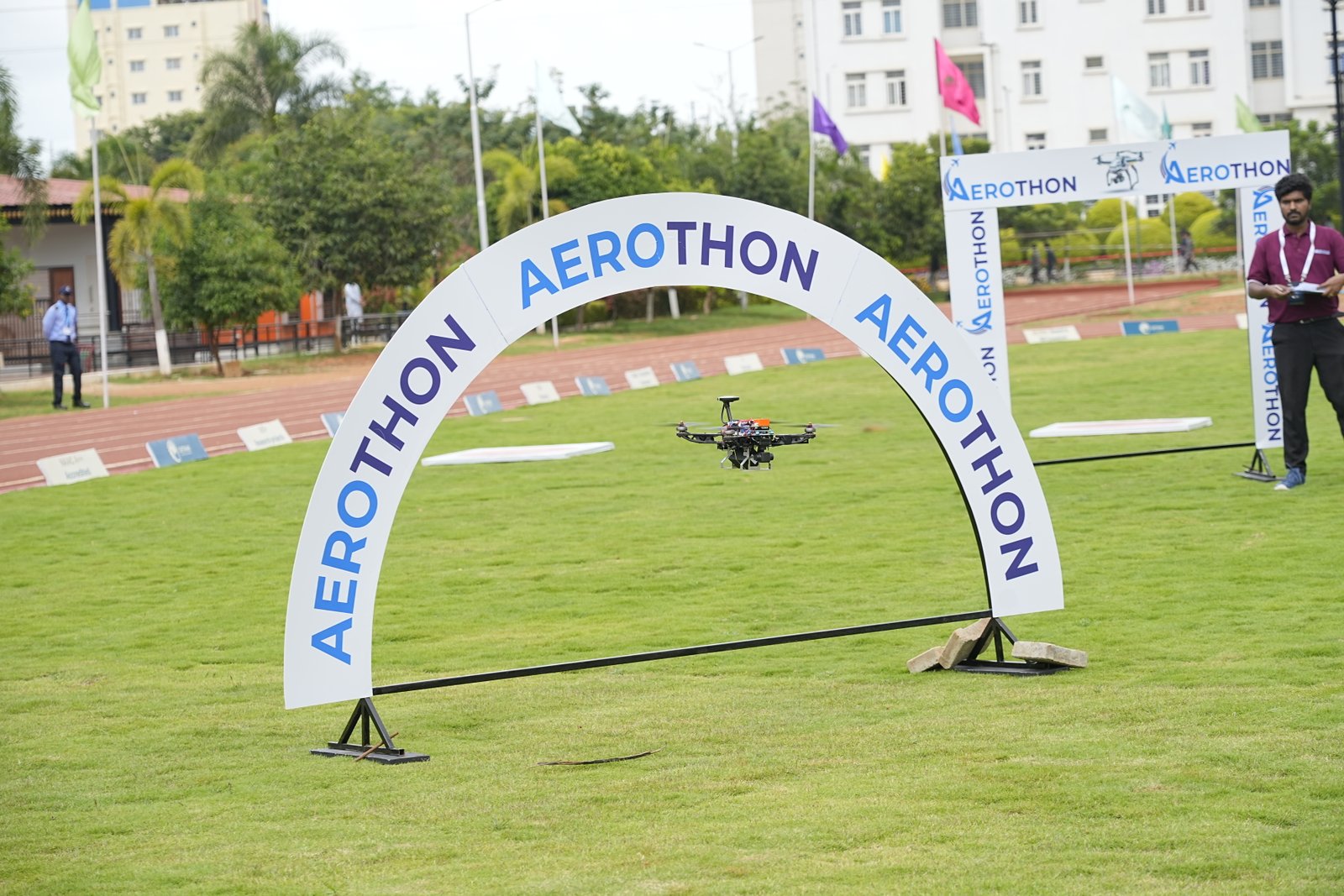
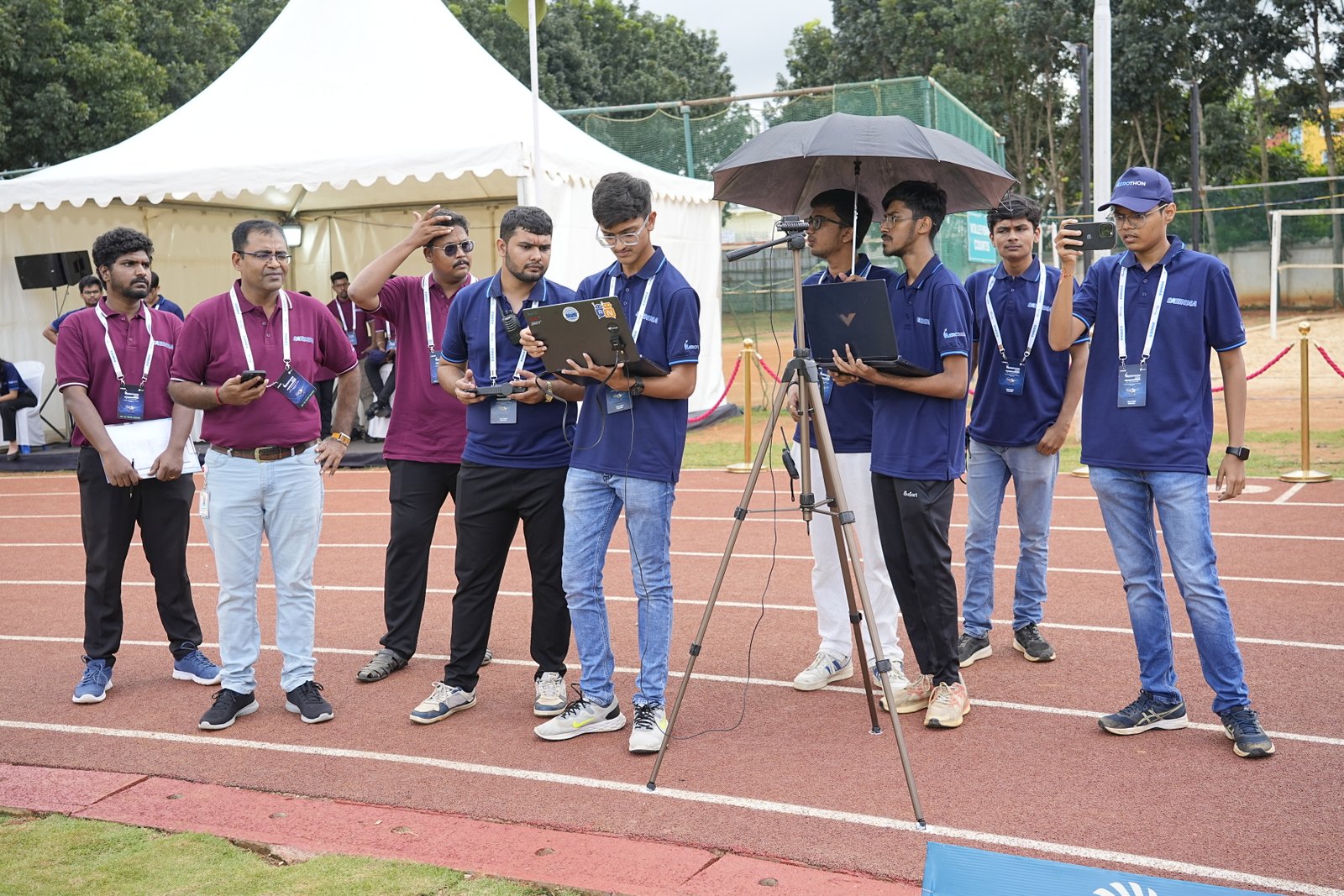
Our team delivered a standout performance throughout the competition. We were the first team to achieve 100%
accuracy in obstacle avoidance and payload dropping, securing a competitive edge early on. Our UAV’s efficiency
and precision in target detection further solidified our position among the top contenders.
Winning the Tiger’s Cage event showcased our ability to integrate innovation with practical applications, earning
us recognition for our strategic approach. The competition concluded with an exciting award ceremony, where our
team was officially crowned National Champions of AEROThon'24, marking a significant milestone in our UAV
development journey.
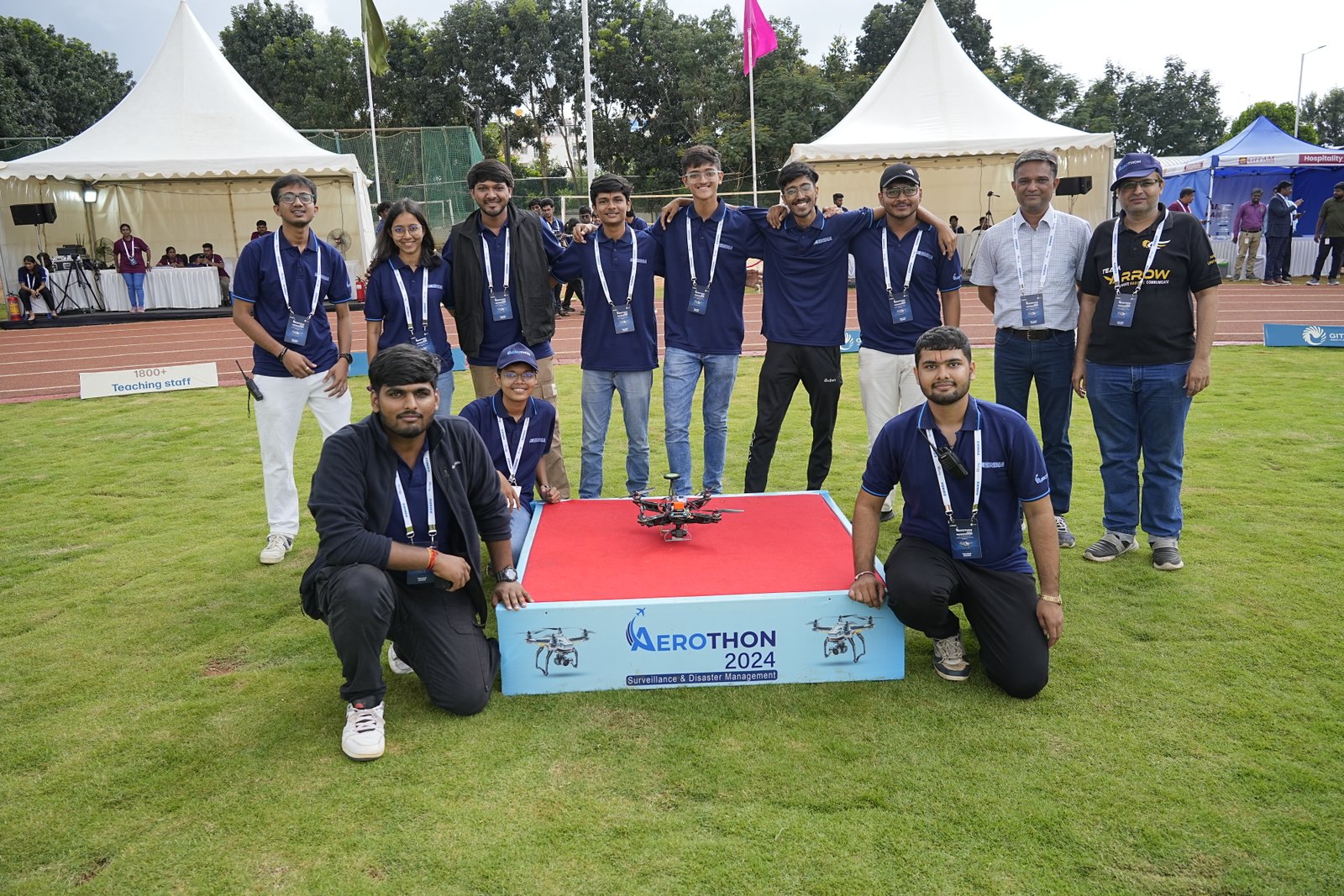
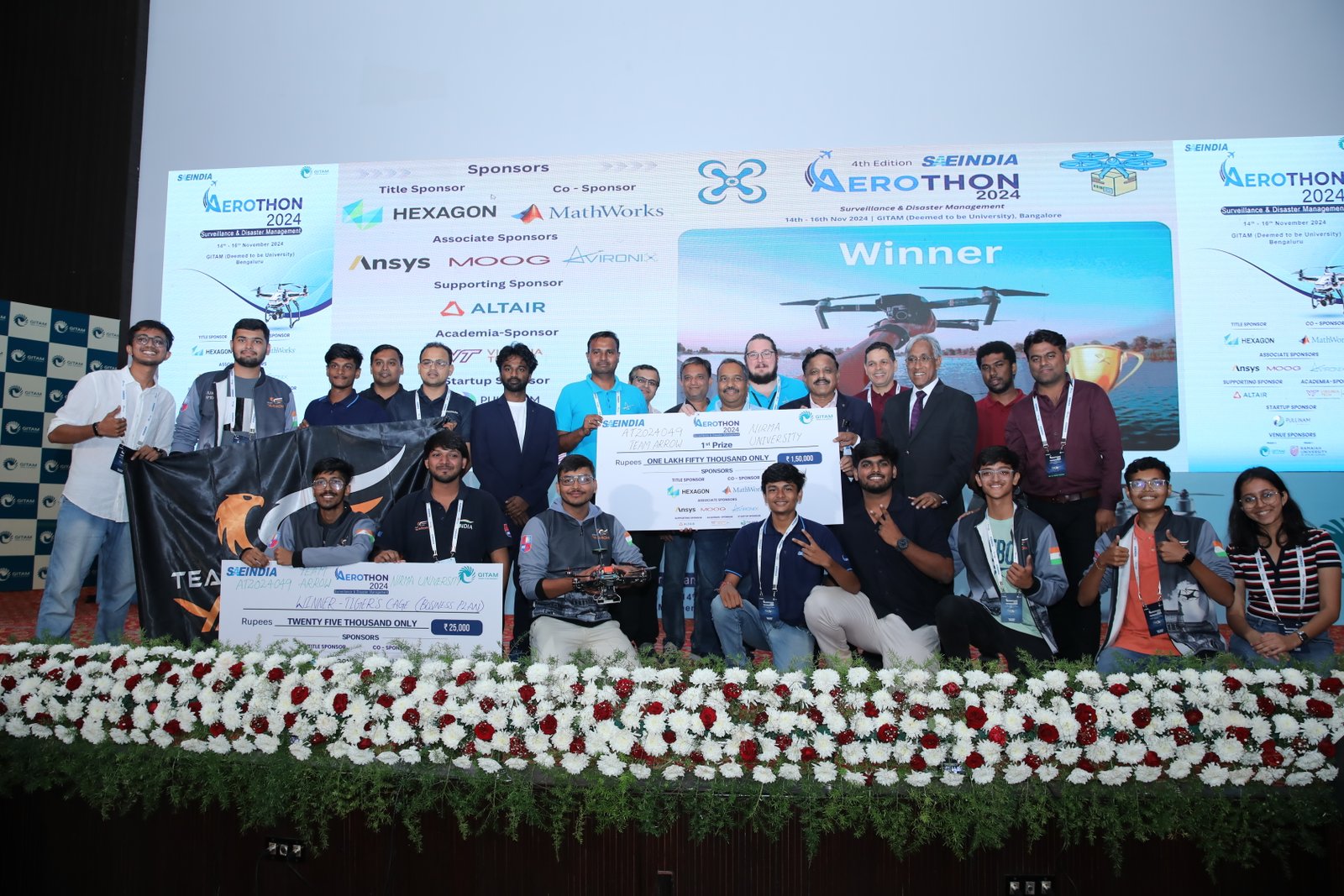
Participating in AEROThon'24 provided us with invaluable hands-on experience in UAV design, fabrication, and mission execution. We encountered and overcame several technical challenges, reinforcing our problem-solving skills and adaptability. The competition also tested our ability to work under pressure, demonstrating strong teamwork, efficiency, and innovation. Winning the National Champion title validated our design choices and execution strategy, further motivating us to pursue future UAV innovations.
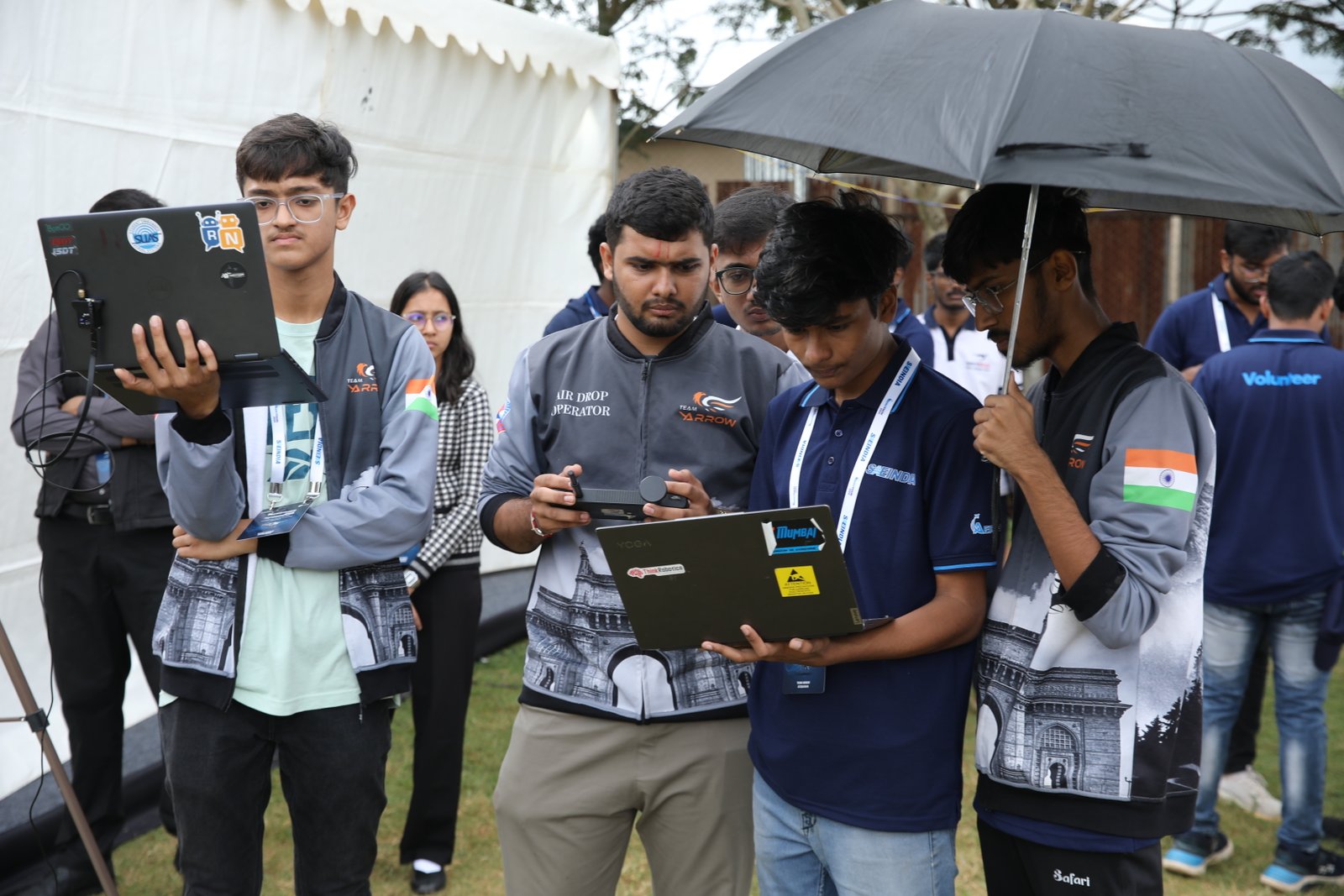
AEROThon'24 was not just a competition; it was an unforgettable journey filled with learning, collaboration, and success. The experience has strengthened our expertise and prepared us for even greater challenges in UAV technology.